Enterprise AI Systems
Turned domain expertise into a software role by repeatedly shipping useful systems from inside the engineering workflow.
Open case studyAI SOFTWARE ENGINEERX-ENERGY
At X-energy, I build enterprise software at the intersection of advanced nuclear and artificial intelligence. Before code, I learned to deliver physical megaprojects—where constraints are real, failure is expensive, and evidence matters.
Live product surfaces
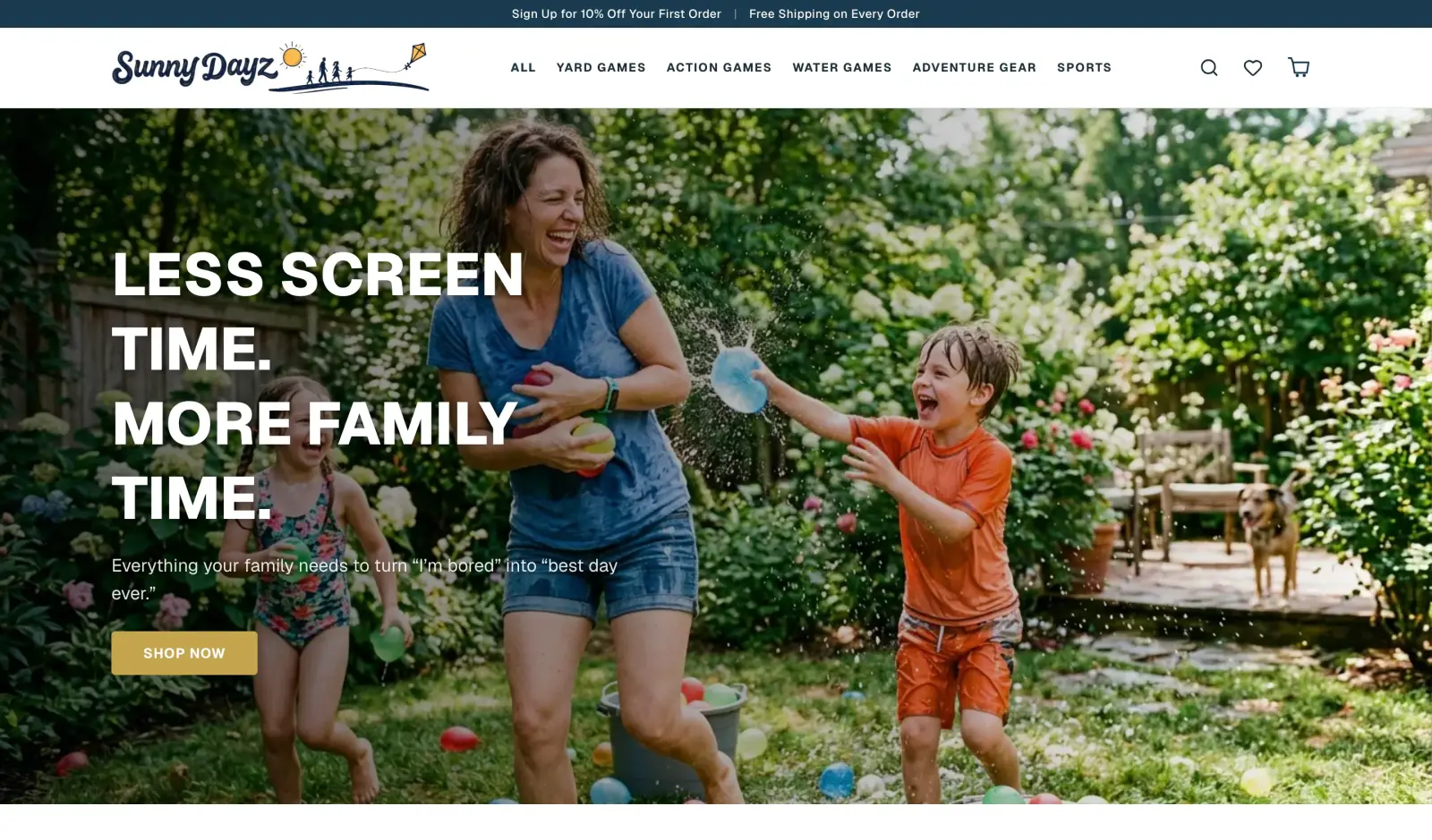
Every tile is a real, operated surface — designed, built, deployed, and kept running. Click through to the live site.
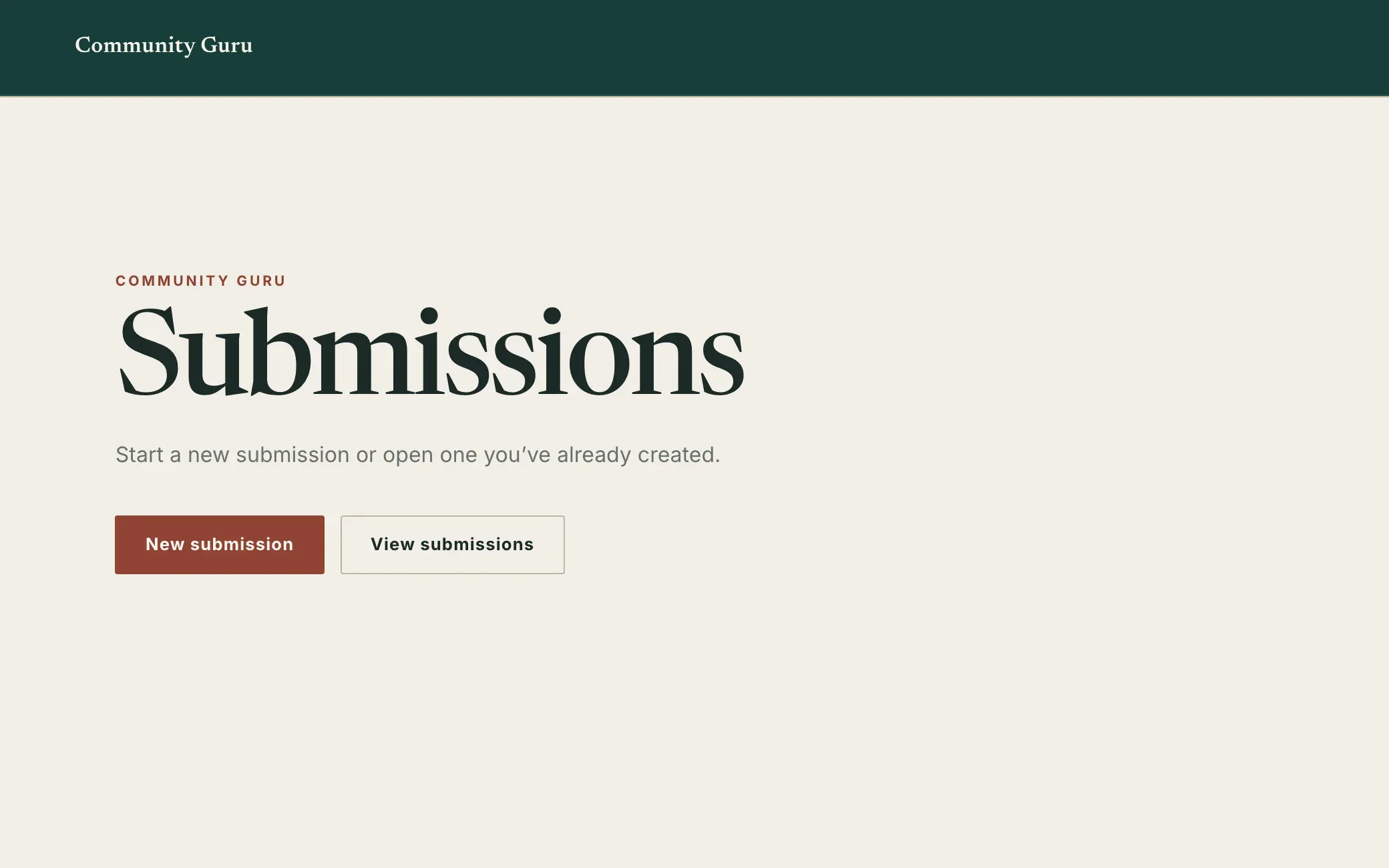
An insurance statement-of-values workspace — structured submissions instead of spreadsheet archaeology.
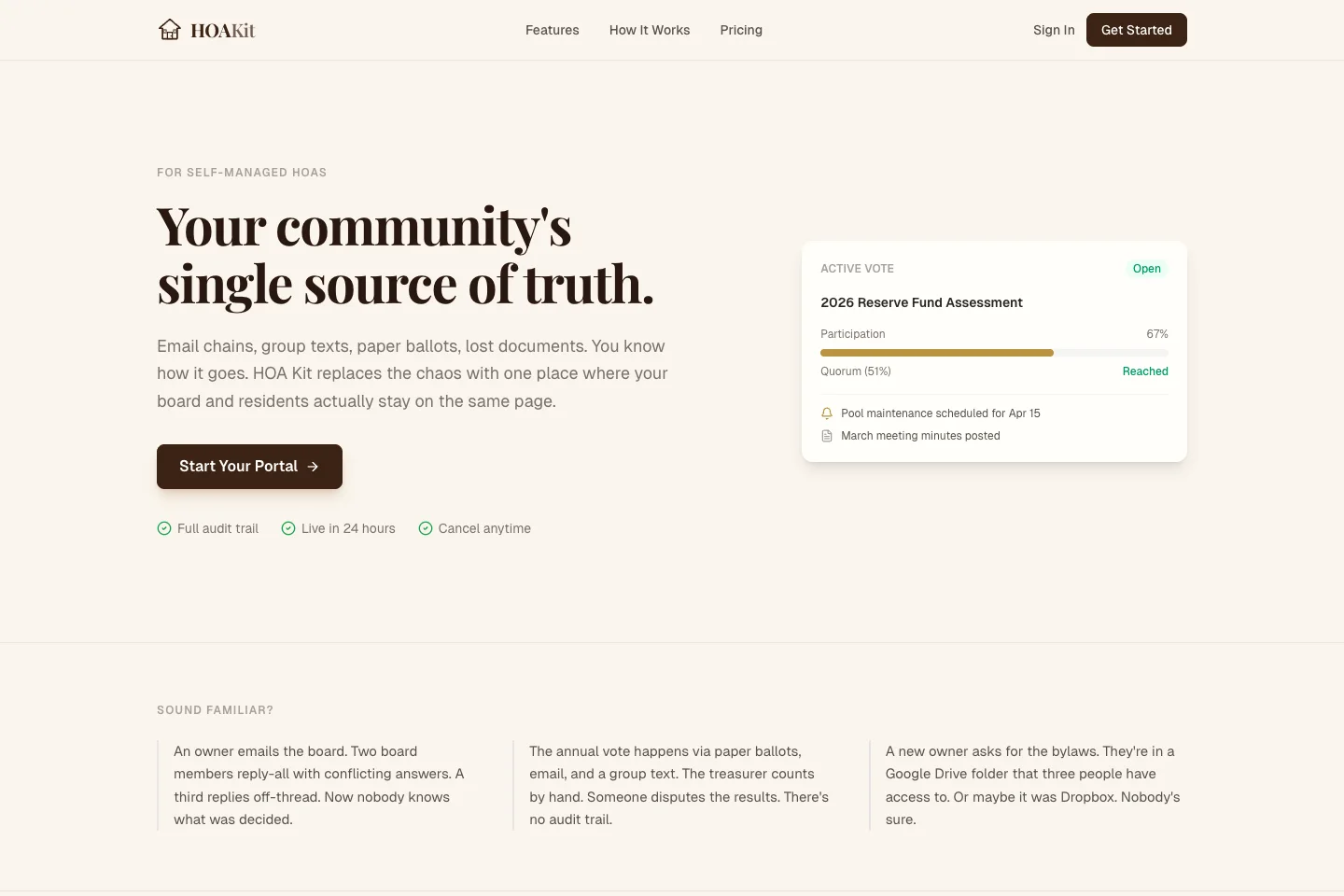
Community-association administration software, built collaboratively with Brett.
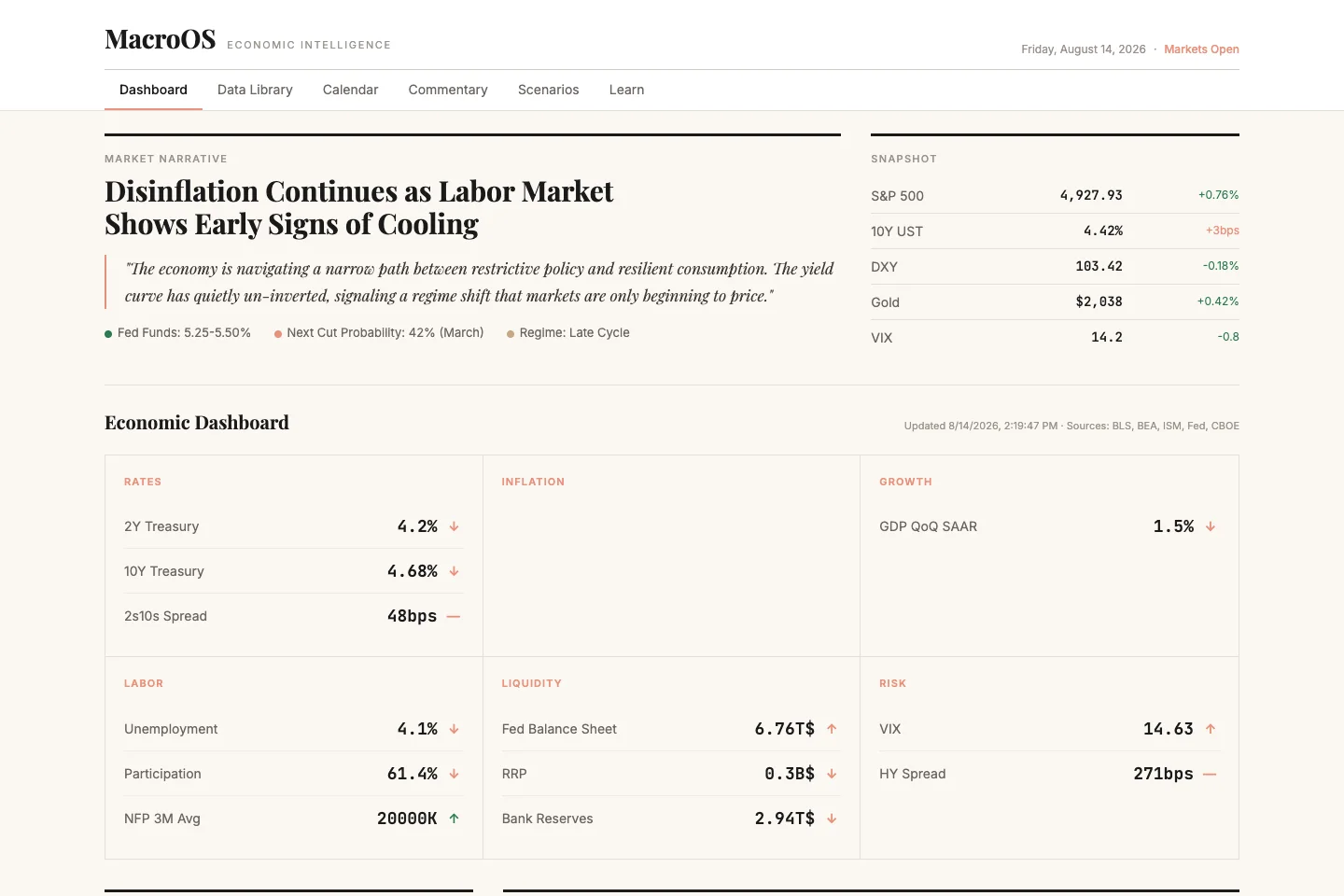
A macroeconomics dashboard with FRED series and scenario analysis.
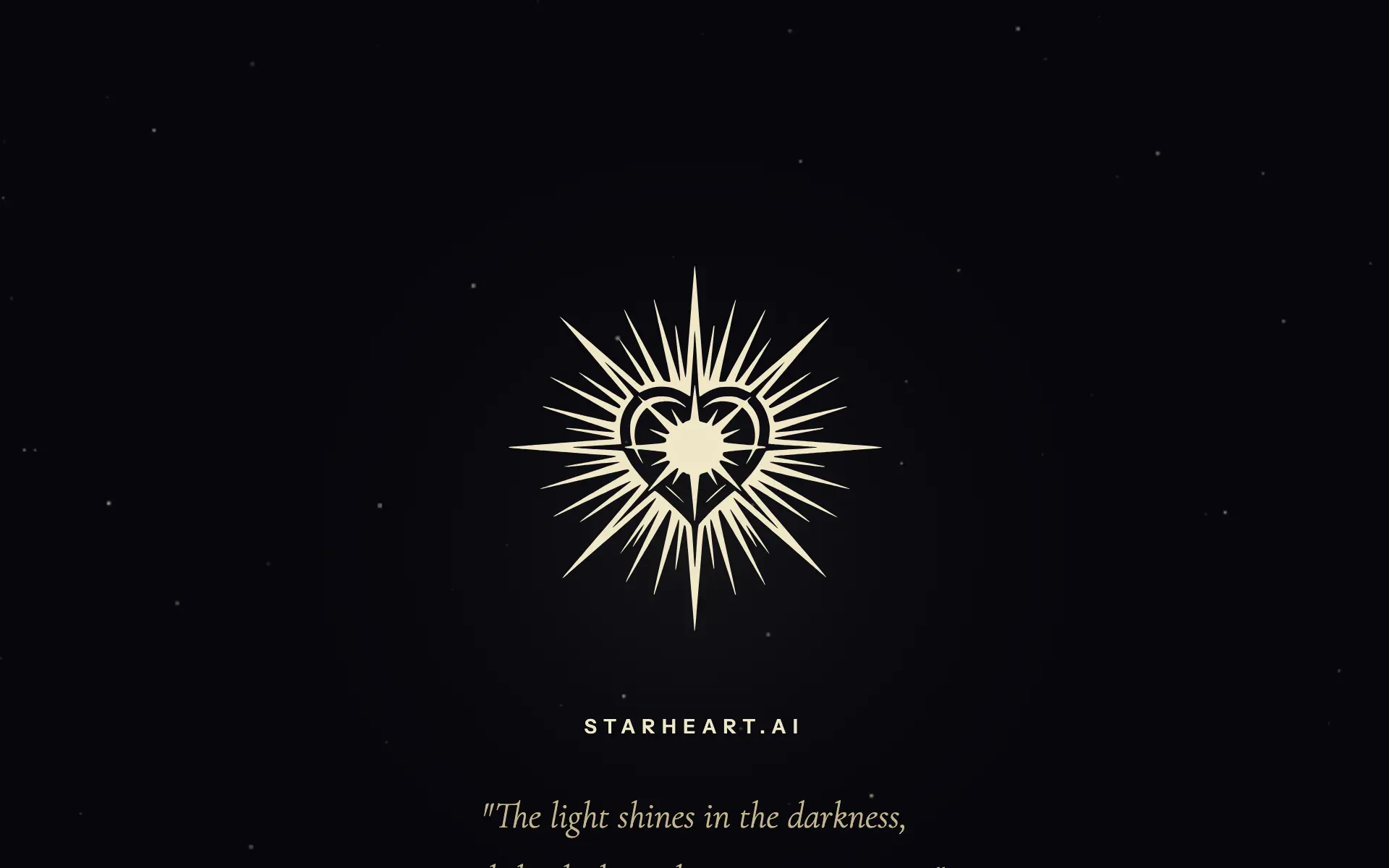
A Christian AI initiative — intelligence in service of the Creator.
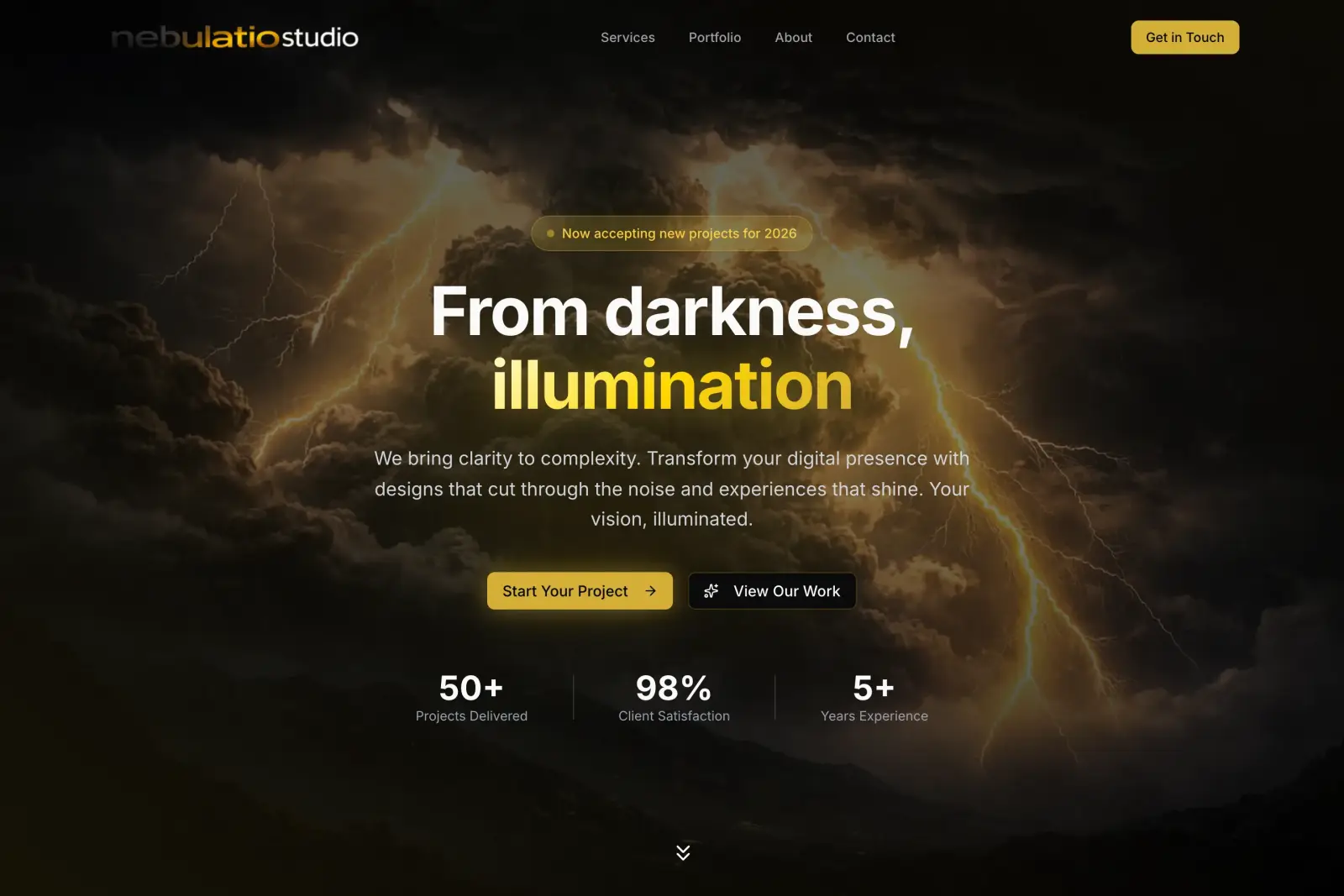
The design and development studio behind several of these surfaces.
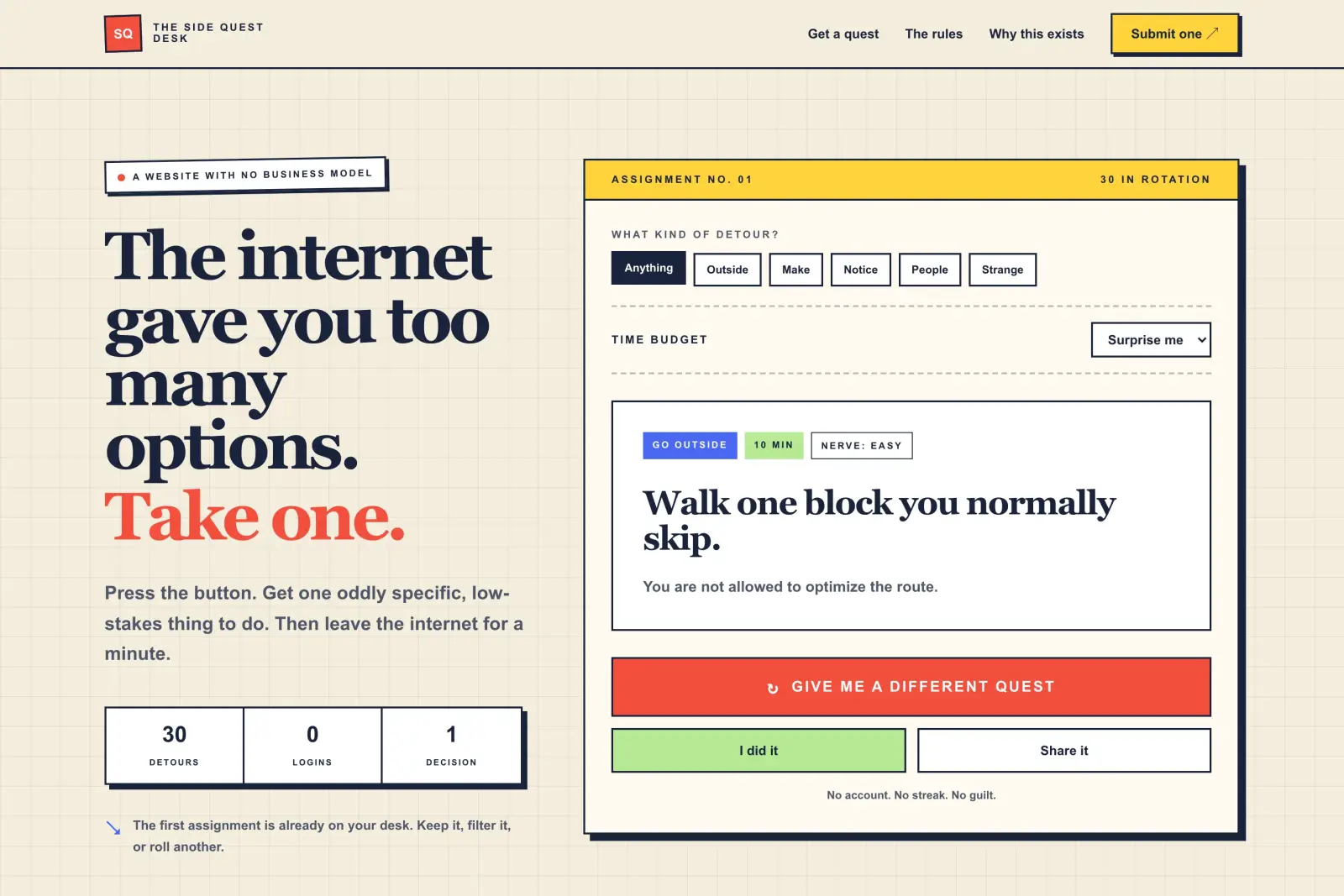
One oddly specific, low-stakes thing to do — a fully shipped website with no business model.
The build-and-operate rhythm behind these lives in theProduct Studio case study.
Operating schematics
Three mechanisms I run in production, replayed as deterministic schematics: one iMessage number serving isolated tenants, a machine fleet sharing one memory, and parallel agents shipping without collisions.
Selected mechanism
Group chats and DMs arrive on one iMessage identity. Every message must resolve to exactly one isolated tenant — or be rejected.
Selected mechanism
One set of dotfiles and one memory across every machine. Sync must converge, and consolidation runs while I sleep.
Selected mechanism
Agents working one repo collide. Each gets its own branch, worktree, and tmux session — isolation by construction.
Selected systems
Professional systems, operated products, and public code—described through the constraint, the system, and what changed after it shipped.
Turned domain expertise into a software role by repeatedly shipping useful systems from inside the engineering workflow.
Open case studyConverted a specialist calculation workflow into a repeatable, testable application with streaming progress and packaged delivery.
Open case study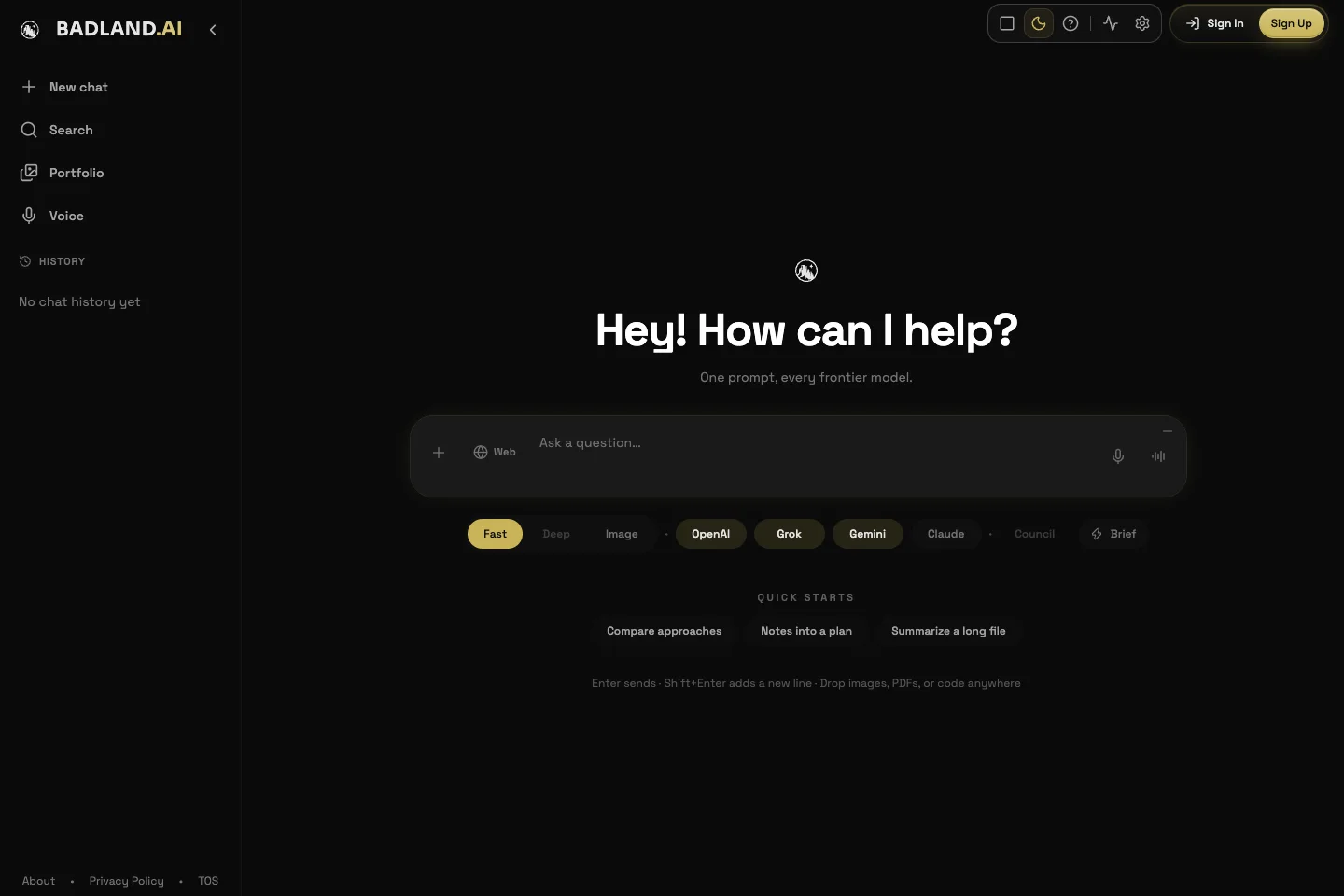 03 / SELECTED
A production product that lets the interaction choose the model workflow—not the other way around.
Open case study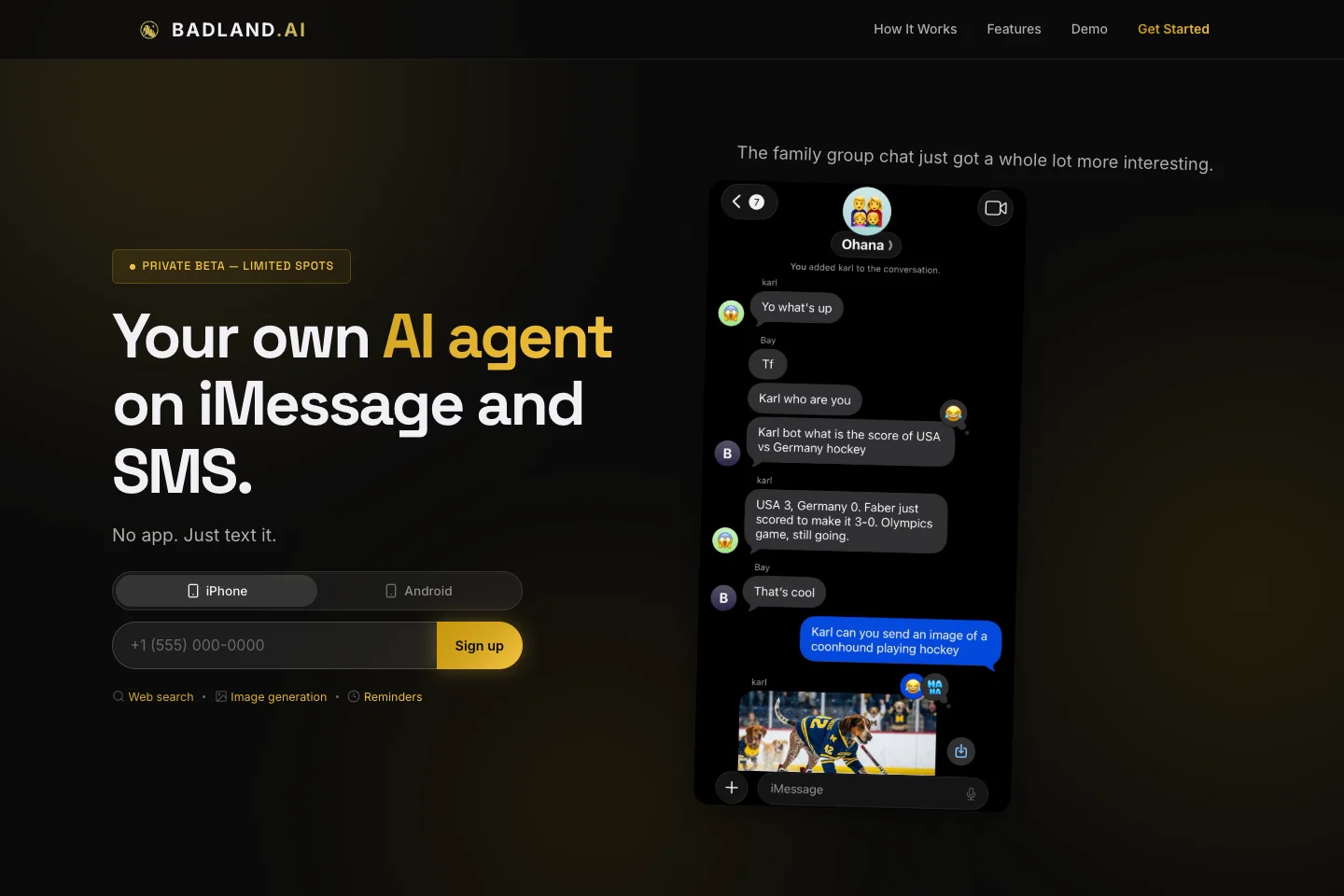 04 / SELECTED
Moved the agent from a separate app into the communication surface people already use—then hardened the transport behind it.
Open case study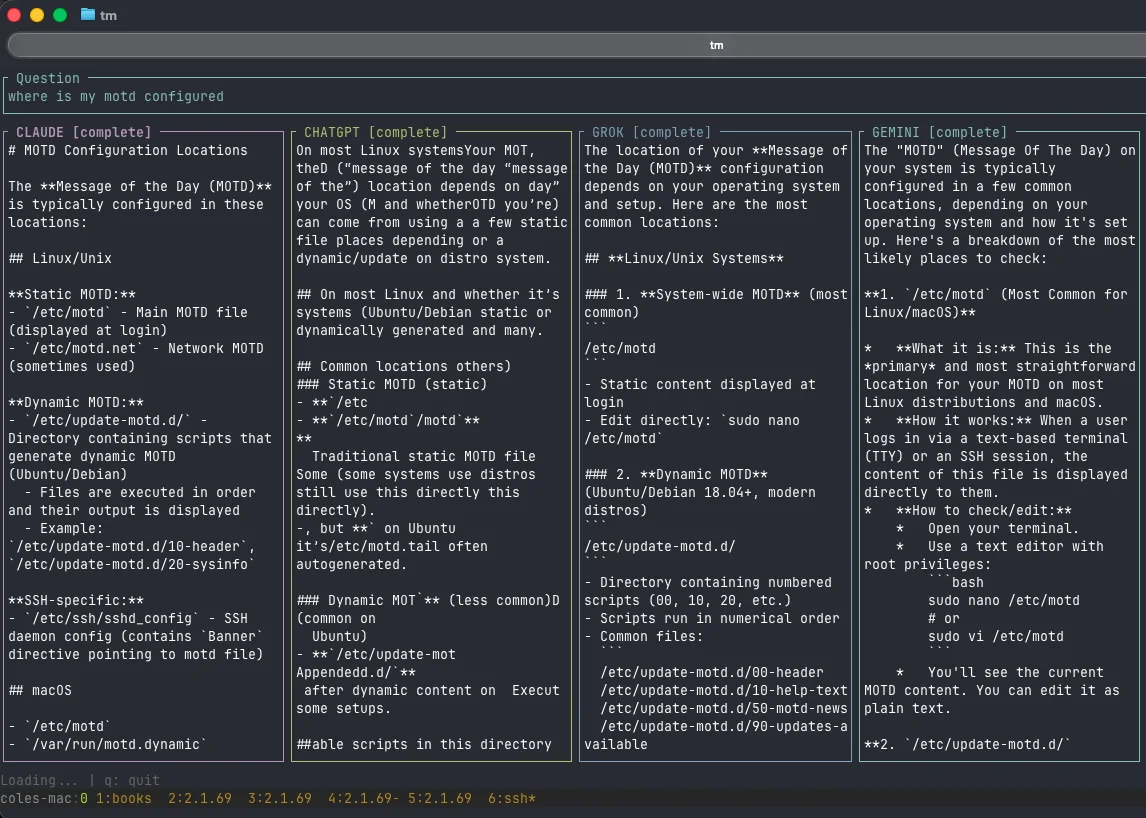 05 / SELECTED
Makes model disagreement visible without turning provider routing into a pile of shell scripts.
Open case studyContributions focus on the failure paths that make agent tooling dependable for other operators.
Open case studyFull project ledger
Operating history
The through-line is delivery under constraints: first with concrete, crews, cost, and schedule; now with models, services, permissions, and state.
X-energy
X-energy tenure since Nov 2024
Rockville, MD
Building enterprise AI and engineering systems for advanced nuclear work. Moved into software after first shipping internal tools from within civil and structural engineering.
Badland
2024 - Present
Remote
Designing, shipping, and operating multi-model software, personal agents, native messaging infrastructure, and focused products.
Kiewit Infrastructure
Jun 2021 - Nov 2024
Florida / South Carolina
Led field execution, cost and schedule controls, quality, procurement, and constructability across heavy civil and industrial programs.
Working set
The stack changes. The durable advantage is being able to cross product, runtime, infrastructure, and domain boundaries without losing the system.
Models become useful when identity, tools, memory, and recovery are designed together.
Own the user-facing path from first interaction through streamed work and durable state.
Deployment is the start of the feedback loop, not the finish line.
Physical constraints and reviewable calculations still shape the software I build.
About


I learned engineering where mistakes become schedule slips, cost overruns, rework, and safety risk—not just failed builds.
Before moving into AI software, I managed field execution on infrastructure programs ranging from airport repairs and bridge construction to a $100M ship-lift drydock and a $250M industrial EPC project. I learned to read the whole load path: design intent, materials, people, sequence, money, inspection, and the recovery plan when reality disagrees with the drawing.
That background shapes how I build AI systems now. I specialize in agentic systems, multi-model tooling, and the infrastructure that makes frontier models useful outside a demo—authentication, isolation, observability, deployment, and reliability. At X-energy, that work sits inside advanced nuclear. Independently, I build and operate Badland and a continuing line of focused products.
My edge is not knowing one framework better than everyone else. It is moving between domain constraints and software architecture while keeping the result understandable to the people who have to trust it.